

Fuel in the Tank: Why Working Capital Powers Business Value but Can Easily Kill a Deal
By Serena Morones, CPA, ASA, ABV, CFE
Working capital matters in every business valuation, yet it’s often a stumbling block in business sales. Why?
- Owners don’t think about it
- Appraisers miscalculate it
- Deals land in litigation because of last-minute adjustments at closing
So why does this number cause so much drama? Because most people don’t really know what it is, or why it matters.
What It Is
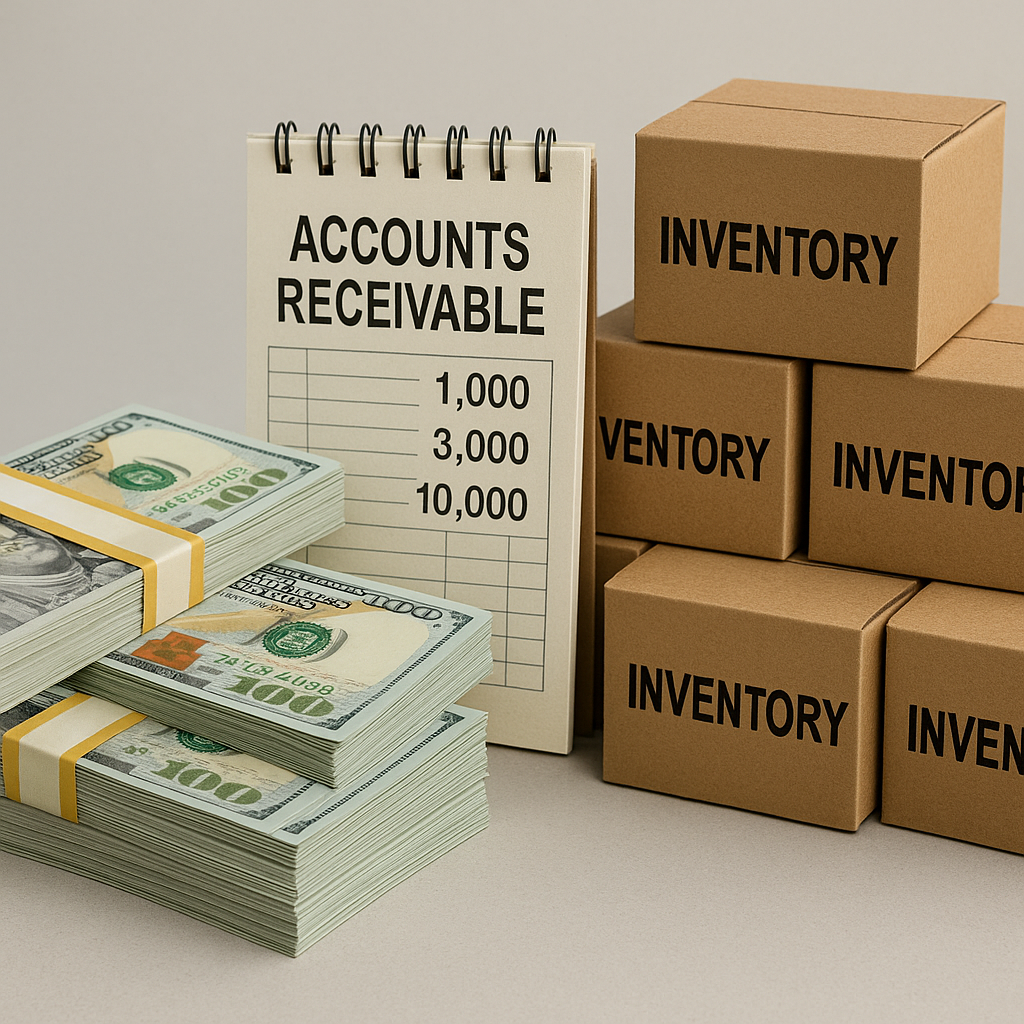
Think of working capital as the fuel tank for your business cycle. It usually consists of cash, accounts receivable, and inventory, minus short-term liabilities.
It’s the liquidity that carries you through the cycle, from the moment you begin creating a product or service until the day you actually get paid.
Some businesses cycle quickly:
- High-frequency trading firms measure in seconds
- Slot machines, in minutes
- Ride-share drivers, in hours
- Hotels, in a couple of days
Others take much longer:
- Wineries may wait years while grapes grow and wine ages.
The rule of thumb: the longer your cycle, the more working capital you need to bridge the gap.
Sometimes, though, a company can thrive on negative working capital. We once valued a firm that collected a full year of fees at the start of the year. Customers provided all the fuel needed before the engine even started.
Why It Matters to Business Valuation
Working capital directly shapes value.
- If there’s too much, the owner should consider pulling some out before selling, or make sure it’s added to value.
- If there’s too little, the company faces constant cash pressure, and buyers will expect a discount to fix it. Sellers who ignore a working capital deficiency can be blindsided by downward deal price adjustments.
Appraisers often calculate “normalized” working capital as a percentage of sales using industry data, then add a surplus to value or subtract a deficit.
A COVID-Era Example
Between 2020 and 2023, nearly every business we valued had excess cash on hand. PPP loans and employee retention credits created temporary working capital cushions.
If a business appraiser simply averaged those years and called that level of working capital “normal,” the result would undervalue the business. That cash wasn’t part of long-term needs. The extra should have been added to value.
The Takeaway
If you’re preparing to sell, don’t let working capital trip you up. Identify the healthy level for your business and set it to a sustainable point before going to market.
And if you’re stuck? Call us. We actually enjoy solving the working capital puzzle. (Yes, accountants do have fun.)
———————————————————————-

Serena Morones, CPA, ASA, ABV, CFE is an independent damages and business valuation expert. Top commercial and IP litigators turn to her again and again to resolve high-stakes disputes through expert testimony or settlement.
503-906-1579 | [email protected]